
RV Plumbing Basics: What Every RV Owner Should Know Before Hitting the Road
Your RV plumbing system plays a big role in how comfortable and stress free your trips feel. It keeps water moving through your faucets, sends waste to the right place, and helps your shower, sinks, and toilet work the way you expect. Once you feel confident with the basics, you can travel with fewer surprises and enjoy your time on the road without worrying about leaks, clogs, or unpleasant smells.
RV plumbing works a little differently from a home system because everything is built for movement. Your rig travels over bumps, takes turns, shifts in temperature, and still has to keep water flowing. When you understand the main parts of the system and how they work together, it becomes much easier to care for it and spot small issues before they become major headaches.
Understanding the Structure of an RV Plumbing System
Most RVs follow the same general layout, even though each brand looks a little different behind the walls. A good starting point is your RV plumbing schematic, which shows where pipes run, how the RV pump connects to your water lines, and how your fresh water, grey water, and black water systems are arranged. Seeing everything on paper helps the entire system feel more familiar.
Your fresh water tank stores clean water for drinking, cooking, showering, and washing dishes. When you are not hooked up to city water, the pump pressurizes the lines and keeps water moving to your fixtures. The RV grey tank collects used water from sinks and the shower. The RV black tank handles everything from the toilet. Once you understand which tank does what and how water travels through the system, you can maintain it more confidently and troubleshoot more easily.
The RV Industry Association encourages RV owners to get to know their plumbing, electrical, and mechanical layouts so they can perform basic seasonal checks and prevent avoidable damage. Their consumer education page highlights how simple awareness can help reduce issues on the road. You can see their guidance here: https://www.rvia.org/consumer-safety.
Getting Comfortable With RV Plumbing Parts
RV plumbing includes several parts that work together to keep water flowing in and out. Most modern rigs use PEX tubing, which handles vibration and temperature changes well. You will also find fittings, valves, your water heater, low point drains, and the outlet that connects to your sewer hose when it is time to dump your tanks.
One part many RV owners overlook is the small filter attached to the RV pump. When it becomes clogged, water pressure can drop or stop completely. Knowing where this filter sits makes it easier to clean or replace it before it causes problems. Road vibration can also loosen fittings behind sinks and toilets. When you know where these fittings are and what they look like, it becomes much easier to tighten them and prevent slow leaks from developing during a trip.
The more familiar you are with the general layout and parts of your plumbing system, the more confidence you will have in spotting anything that looks out of place.
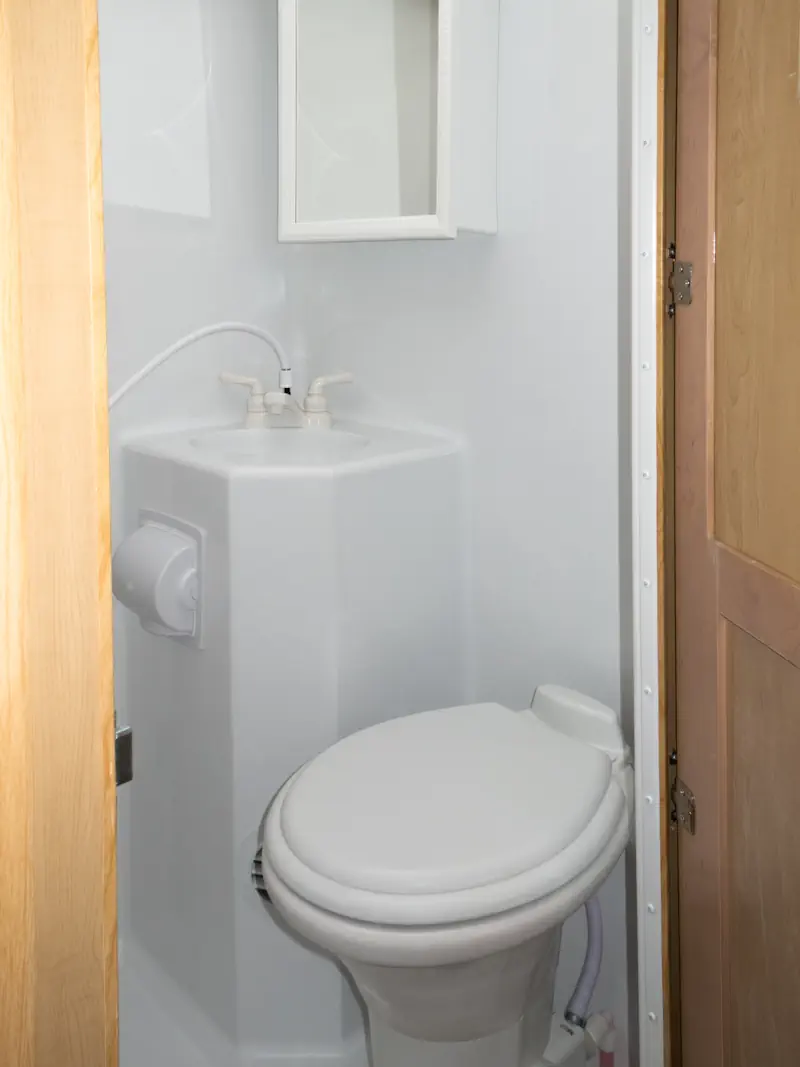
How Your Grey and Black Tanks Work
Your grey tank collects used water from your sinks and shower. Because it holds soap, food particles, and personal-care products, residue can build up over time. When this happens, you may notice odors inside the RV. Rinsing the tank regularly helps keep it cleaner and prevents smells from lingering during longer trips.
Your black tank is dedicated to toilet waste, and because everything stays inside until you dump it, this tank needs special attention. Using plenty of water when flushing helps keep the inside cleaner and prevents clogs. Regular rinsing also keeps the built-in tank sensors working more accurately, since buildup is one of the most common reasons sensors stop giving correct readings.
Once you understand how each tank handles different types of water, maintaining them becomes easier and far less overwhelming.
Why a Reliable Sewer Hose and Support Make a Difference
Dumping your tanks is a standard part of RV travel, and having a sturdy RV sewer hose support makes the process smoother. A support keeps the hose sloped properly toward the dump inlet, which helps waste move evenly instead of settling in low spots. When the hose is supported, it stays cleaner, lasts longer, and is less likely to leak or shift while in use.
Many RV owners find that using a hose support takes the stress out of dumping because it prevents unnecessary messes and makes the entire setup more stable.
How Your RV Pump Works and When to Use It
Your RV pump creates pressure whenever you are using water from your fresh tank. When everything is working well, the pump runs briefly and then stops once the lines are pressurized. If you hear it cycling when no one is using water, that usually means a fitting is loose or a small leak is somewhere in the system. Catching this early helps prevent water loss or long-term damage.
When you hook up to city water, you can turn the pump off because the external pressure handles the job. Even so, it is a good idea to test your pump every so often. You will rely on it any time you camp without hookups or travel between stops.
How to Spot Early Signs of Plumbing Trouble
Most plumbing issues start small. You might notice lower water pressure than usual, unusual smells near the bathroom, or slow draining sinks. Sometimes you will find moisture under a cabinet or hear the pump running longer than it should.
These early signs are worth paying attention to, because catching them quickly helps you avoid bigger issues later. A loose fitting, a dirty pump filter, or a partially clogged drain is much easier to handle before it turns into a full repair.

Preparing Your Plumbing System Before Each Trip
A quick check before hitting the road can make a big difference. Running your faucets, testing the pump, and checking your water heater helps you confirm that your system is pressurizing correctly. It is also smart to look at your tanks to make sure they are sealed and draining the way they should.
If your RV has been in storage, take a minute to look over your valves and fittings. Rubber seals can dry out or shrink with changes in temperature. Tightening or replacing them before you travel helps prevent leaks once the system is pressurized again.
Keeping Your RV Plumbing in Good Shape on the Road
A well-maintained RV plumbing system keeps your travels smooth and your campsite more comfortable. When your lines, pump, tanks, and fittings work together the way they should, your entire RV experience improves. You spend less time fixing problems and more time enjoying the road.
For expert help with RV plumbing maintenance, repairs, inspections, or upgrades, visit HiTech RV Service. We proudly serve RV owners from Boulder to Pueblo, Colorado.